A parcel of raw dirt listed at two hundred thousand dollars looks like a bargain compared to an existing house priced four times higher. Most buyers assume that purchasing land gives them a low-cost entry point to design a custom build on their own timeline. What they discover after closing is that vacant land carries an entirely separate layer of site development expenses, utility hookup costs, and municipal fees that can easily match or exceed the original purchase price before a single foundation footing is poured.
The Real Expense of Bringing Basic Utilities to Vacant Ground
When you tour a resale home, water flows from the sink, toilets flush, and light switches work. You take the existence of modern infrastructure for granted because someone else absorbed that capital expenditure decades ago. On vacant parcels, you start from zero.
Connecting to a municipal water line requires meter drop fees, capacity charges, and trenching costs that scale by the foot. If municipal service is not available, you are drilling a private well. Drilling companies charge by the foot with no guarantee of hitting potable water at an acceptable flow rate. Completing a deep well, installing a submersible pump, and adding a pressure tank system can easily run twenty to fifty thousand dollars. Before committing capital to acreage, smart buyers review a rural property well and septic checklist to calculate those development estimates accurately.
Waste disposal brings similar capital outlays. Connecting to a public sewer main involves street-cut permits, traffic control plans, and connection fees. If the land requires an on-site wastewater treatment system, you must conduct soil perc testing before applying for permits. If the soil contains high clay content or shallow bedrock, a standard gravity system will fail engineering review, forcing you into an engineered mound or advanced treatment system that costs twice as much.
Site Preparation and Soil Engineering Realities
A flat, grassy field looks ready for construction, but looks are deceiving. Soil stability dictates what you can build and how much concrete your foundation requires. Expansive soils swell when wet and shrink when dry, requiring deep caissons or post-tension slabs that drive up construction bids.
Grading and drainage work add substantial line items. You must clear brush, pull tree stumps, cut building pads, and install retention basins to handle storm runoff according to local water board rules. If your building site sits several hundred feet off the public road, you also need to construct an engineered driveway. Emergency services enforce strict regulations regarding driveway width, turnaround radius, and grade steepness, which means laying down gravel or asphalt that meets fire department standards.
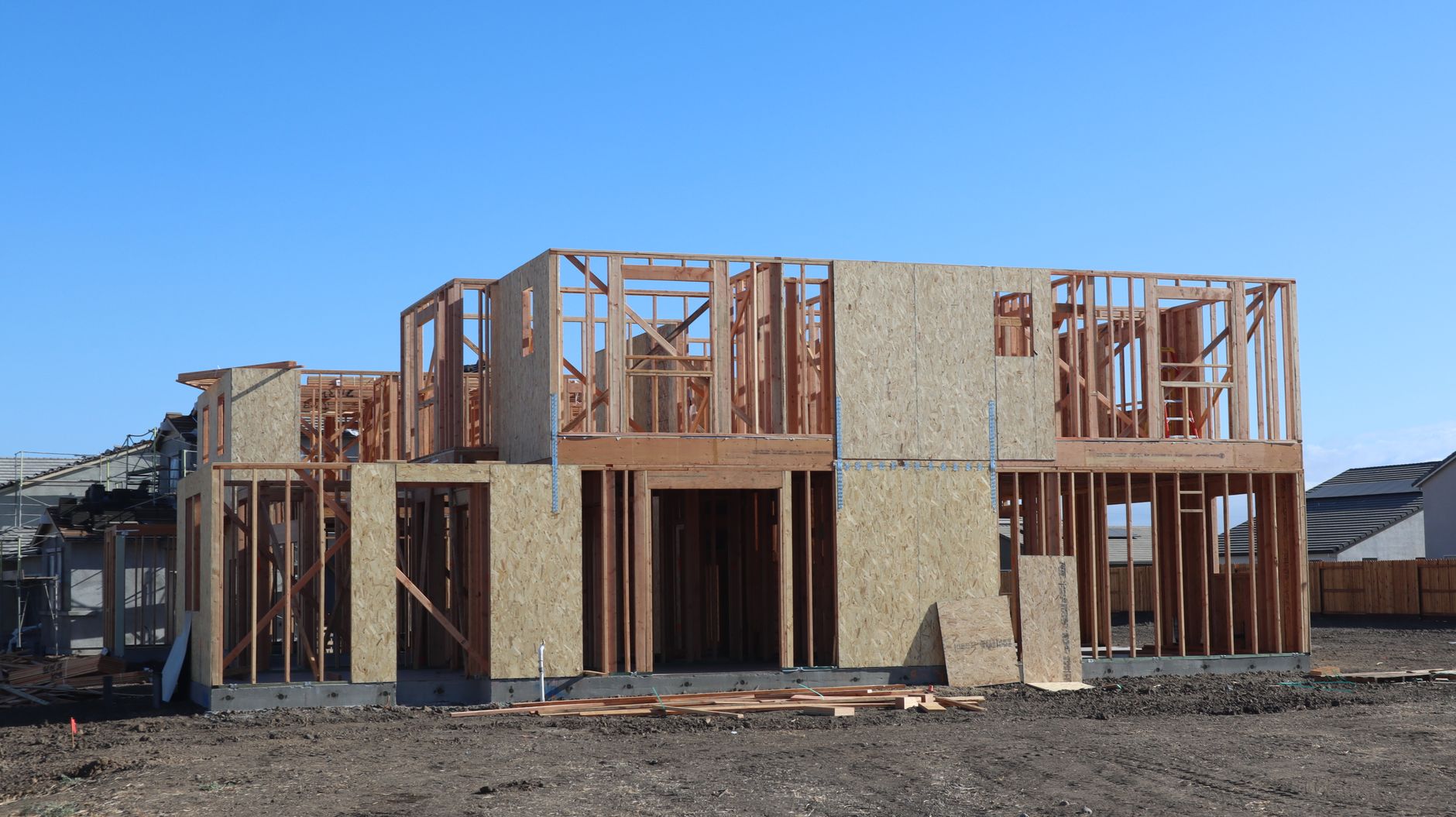
These early site development expenses happen before you frame a single wall. If you want a realistic picture of the budget required from raw ground to move-in day,
Financing Terms and Carrying Costs Are Completely Different
Financing vacant ground is fundamentally different from securing a standard residential mortgage. Lenders view raw land as speculative collateral because an empty lot generates no income and is harder to liquidate if a borrower defaults. Consequently, down payment requirements typically range from twenty to fifty percent, and interest rates run several points higher than standard thirty-year fixed residential loans.
Construction loans present their own hurdles. Most lenders require detailed architectural plans, contractor bids, and building permits in hand before approving a construction-to-permanent loan package. While you work through engineering and permitting, you must pay monthly interest on your land loan, property taxes, and liability insurance out of pocket. That holding period can stretch from six months to more than two years depending on municipal backlog, draining liquid reserves that were earmarked for construction.
Understanding these financial guardrails is essential during contract negotiations. Reviewing our guide on what buyers must check before waiving land contingencies helps you protect your earnest money deposit while you run geotechnical and feasibility studies.
Zoning, Environmental Easements, and Access Rights
A deed does not automatically grant you permission to build whatever you want. Zoning ordinances regulate allowable building footprints, secondary dwelling units, animal keeping, and setback distances from property lines. A parcel might sit inside a designated wildlife corridor, high fire severity zone, or wetland buffer, triggering complex environmental impact studies that delay construction indefinitely.
Legal access is another major pitfall for buyers purchasing land in rural or semi-rural areas. A parcel can be physically accessible by a dirt track without possessing a deeded, insurable right-of-way. If the road crosses neighboring private parcels, you need recorded ingress, egress, and utility easements before a title company will insure the purchase or a lender will release funds.
Development Phase | Key Feasibility Items | Common Budget Blind Spots |
|---|---|---|
Infrastructure | Well drilling, septic perc testing, utility hookups | Off-site utility trenching, engineered septic systems, high water meter drop fees |
Civil Engineering | Topographic surveys, grading plans, soil borings | Rock mitigation, retaining walls, fire-compliant driveway access |
Municipal Approvals | Zoning verification, environmental review, plan checks | School impact fees, road maintenance agreements, lengthy plan check delays |
How to Approach a Land Purchase Without Expensive Surprises
Purchasing vacant acreage can be rewarding, but it requires treating the land acquisition as a commercial development project rather than a simple home purchase. You must assemble an advisory team that includes a civil engineer, a soils specialist, and a general contractor before removing your contractual inspection contingencies.
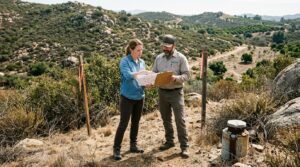
Walking the boundaries with a seasoned professional allows you to spot drainage swales, rocky terrain, and utility pole locations that impact building viability. Factoring site development costs into your initial purchase calculation ensures you do not exhaust your budget on raw dirt before starting your build.
Before you commit to a vacant parcel or assume raw ground is your most affordable path to homeownership, explore our detailed homebuying resources to compare the real timelines and capital requirements of custom builds versus existing turnkey properties.