A parcel of two to five acres often looks like freedom on a listing sheet, but the real expense begins after the purchase contract closes. Most buyers calculate their monthly mortgage, add a standard maintenance percentage based on the square footage of the house, and assume the surrounding land simply takes care of itself. When evaluating rural properties, particularly for those researching valley center acreage buying or looking across similar semi-arid foothill areas, the land itself behaves like an unmetered utility with its own recurring operational budget.
Tiered Water Rates and Municipal Supply Surprises
Rural parcels connected to a public water district rarely operate on flat residential pricing. In semi-arid regions and foothill communities, municipal water agencies utilize aggressive tiered pricing structures designed to penalize heavy outdoor usage. The baseline allocation covers interior domestic use at an affordable rate, but the moment you irrigate family orchards, maintain pastures, or water extensive landscaping, the usage enters punitive tiers where unit costs can quadruple.
Keeping two acres of vegetation green during dry summer months can easily generate a four-figure monthly water bill on municipal meters. Some districts offer agricultural meter rates, but qualifying usually requires proof of commercial production or specific crop minimums that typical residential owners cannot meet. Buyers moving from suburban subdivisions often assume that a large lot just needs a few extra sprinkler valves, only to discover that the monthly water expense rivals their property taxes.
Private Wells and the Hidden Electrical Overhead
Buyers frequently view a private well as a path to free water, but a private well is actually an independent municipal utility that you personally finance and repair. A typical domestic well requires a deep submersible pump, a pressure tank, electrical control boxes, and dedicated water filtration or softening systems. When that pump operates hundreds of feet underground against heavy head pressure, it draws continuous electrical power that noticeably inflates your monthly electric bill.
Replacing a failed well pump or repairing collapsed casing requires specialized pump service rigs and immediate capital. Before committing to a rural purchase, reviewing our homebuyer resource checklist helps you evaluate the true operational cost of standalone property systems. Verifying the pump depth, age, and flow rate during your physical inspection contingency allows you to price out immediate equipment vulnerabilities before taking ownership. You can also consult our well water system guide for an in-depth breakdown of how private pumping systems operate under sustained domestic demand.
Defensible Space and Vegetation Clearing Mandates
Fire safety regulations in wildland-urban interface zones mandate strict defensible space management around all structures. In foothill and inland areas, state and local fire codes generally require clearing hazardous vegetation, dry brush, and low tree branches within a minimum 100-foot perimeter around your home and outbuildings. If your parcel sits on a steep slope, local fire protection districts frequently enforce extended clearance zones to account for wildfire flame lengths and radiant heat.
Maintaining compliant defensible space is not an occasional weekend gardening project. On two to five acres covered in native chaparral, buckwheat, and rapid-growing invasive grasses, clearing requires professional brush-mowing equipment, specialized weed trimmers, or hiring tractor operators twice a year. If you fail to maintain adequate clearance, local fire authorities can issue abatement notices and hire contractors to clear the property at your expense, adding administrative fees directly to your annual tax bill.
Drainage, Private Roads, and Access Infrastructure
Suburban streets come with curbs, storm drains, and municipal maintenance crews, but acreage living places road and drainage upkeep entirely on property owners. Rural parcels are frequently accessed via private easements, unpaved gravel roads, or shared driveways governed by informal road maintenance agreements. Heavy seasonal rainstorms wash away road base, create deep ruts, and clog drainage culverts, leaving properties temporarily inaccessible without immediate grading work.
Managing water runoff across several acres requires constant monitoring of drainage swales, retention basins, and driveway culverts. When debris blocks a culvert, diverted water can quickly erode driveways or flood building pads within hours. Inspecting easements, culvert integrity, and existing road agreements should always be completed using a thorough contingency checklist for acreage purchases. For properties operating with on-site waste disposal alongside heavy drainage flows, reviewing rural well and septic inspection guidelines ensures your leach fields remain fully protected from surface water saturation.
Budgeting for Equipment Versus Contract Labor
Managing several acres leaves you with two distinct operational paths: buying commercial-grade equipment or hiring outside contractors for every task. Owners who choose the self-maintenance route must purchase a sub-compact tractor, a flail mower, a heavy-duty utility trailer, chainsaws, and safety gear. This initial machinery investment easily reaches tens of thousands of dollars, accompanied by fuel costs, fluid changes, blade sharpening, and storage requirements.
Hiring local contractors eliminates the equipment overhead but creates a substantial recurring operational expense. Tree services charge commercial rates to prune mature oaks and clear deadwood, while tractor operators bill substantial hourly minimums for annual fire breaks and road grading. Successful acreage owners treat these expenses as fixed operating costs rather than optional discretionary spending, setting aside dedicated capital reserves each month for land maintenance.
Establishing a Realistic Rural Ownership Plan
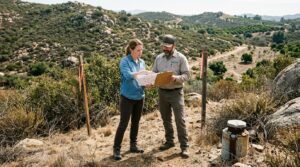
Evaluating an acreage property requires looking beyond the boundary lines and interior square footage to assess the land's physical demands. Walk the entire parcel during your inspection window, identify the water source, examine the drainage flow patterns, and calculate the exact square footage of brush that requires annual abatement. Understanding these practical mechanics before you finalize an offer ensures your rural purchase remains an enjoyable asset rather than an unsustainable financial burden.
We help buyers analyze private utilities, evaluate parcel terrain, and run realistic ownership numbers so there are no surprises after closing.
Bottom line: Acreage is an active physical infrastructure system that demands an ongoing operational budget, and calculating maintenance costs before writing an offer is the only way to protect your balance sheet.