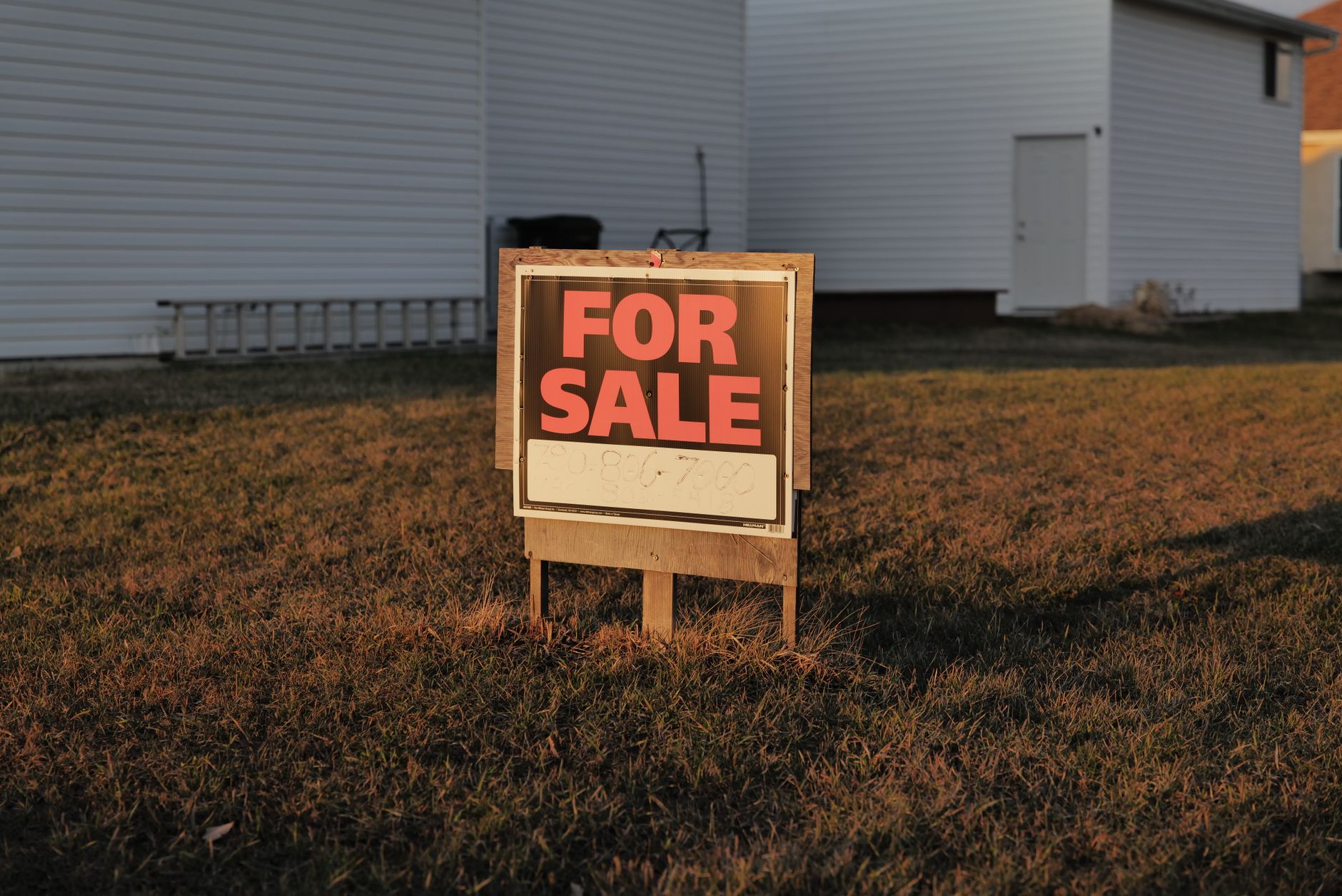
Buying a home directly from an unrepresented owner removes the buffer that typically keeps a transaction on schedule. When a property is listed for sale by owner, the seller is handling pricing, legal disclosures, and escrow coordination without a professional intermediary. Knowing how to buy from a fsbo seller requires an understanding of where standard consumer protections break down and how to keep your own interests intact.
Clarify Representation and Fees Early
Most buyers assume that approaching a FSBO seller means both sides automatically save money on transaction fees. In practice, sellers who list on their own are often trying to pocket the listing fee while expecting the buyer to manage the paperwork. You need to know immediately whether the seller agrees to compensate a buyer representative or if you must cover your broker costs out of pocket.
Before touring the property or discussing terms, request a written fee agreement if you are working with an agent. If you are handling the process independently, establish early that you will require an independent escrow company and an attorney or transaction coordinator to handle closing documents. Reviewing our practical homebuyer resource guide will help you organize your budget so that unexpected administrative expenses do not surprise you at closing.
Never rely on a verbal promise from an unrepresented seller regarding who pays which closing costs. Put the compensation structure, title fees, and transfer fee splits directly into the written purchase agreement before signing.
Evaluate the Asking Price with Neutral Data
Unrepresented sellers frequently price their properties based on personal attachment, emotional equity, or an outdated neighborhood rumor rather than actual closed comparable sales. Without an agent pointing out that nearby homes have sat on the market or taken price reductions, a FSBO seller may stubbornly defend an unrealistic price point. That pricing disconnect can derail your loan down the road.
If you finance your purchase, your mortgage lender will require an independent appraisal before funding the loan. When an appraisal returns lower than the agreed purchase price, the lender only finances based on the lower valuation. If you do not have an appraisal contingency in your purchase contract, you are forced to make up the cash difference or risk walking away and losing funds. Understanding what your earnest money deposit size signals to a seller helps you protect your initial deposit while setting realistic valuation boundaries.
Run your own research on recent comparable sales in the immediate neighborhood over the past ninety days. Base your offer on verified closed sales, adjusting for square footage, lot utility, and condition rather than the seller's initial list price.
Demand Complete Property Disclosures
One of the largest risks in a FSBO transaction is the lack of proper statutory disclosures. Licensed agents follow state laws requiring sellers to disclose structural defects, unpermitted additions, past water intrusions, and known neighborhood nuisances. A private seller often does not know these disclosure forms exist, or assumes that selling "as-is" absolves them of the responsibility to reveal defects.
An "as-is" clause never overrides state disclosure laws. The seller remains legally obligated to disclose material facts that affect the value or desirability of the property. Demand that the seller complete standard state property disclosure questionnaires and statutory environmental hazard forms before you waive your investigation window.
Keep your contractual dates firm while reviewing these documents. Following standard real estate contingency timelines ensures you retain the contractual right to walk away if the seller discloses major structural problems, unpermitted square footage, or unresolved boundary disputes.
Hire an Independent Home Inspector
Because an unrepresented seller has not had a professional point out deferred maintenance items, you must verify every square foot of the home yourself. Never agree to skip a comprehensive home inspection to satisfy an anxious private seller. A home that looks clean on the surface may conceal aged plumbing, failing electrical panels, or an aging roof that requires immediate replacement.
Attend the inspection toward the end so the inspector can walk you through their findings in person. If the property uses private utilities like a septic system or private well, order specialized inspections for those components. Asking a private seller to make repairs during escrow often triggers defensive reactions, so requesting cash credits toward your closing costs is frequently a cleaner path to resolution.
Use an Independent Escrow and Title Company
Under no circumstances should you ever hand earnest money directly to an unrepresented seller. Personal checks handed to a homeowner have a way of disappearing into personal bank accounts, leaving you with zero leverage if the transaction fails. All earnest funds, loan documents, and deed transfers must run through an independent, neutral title or escrow company.
The escrow officer serves as the neutral party who verifies that clear title exists, past liens are paid off, and ownership transfers legitimately. They also provide secure wiring instructions. Before transferring any funds to escrow, follow strict real estate wire fraud prevention steps by calling the escrow officer at a verified phone number to confirm wire routing instructions before hitting send.
Keep Emotions Out of the Negotiation
Direct transactions between buyers and private sellers can become personal very quickly. When you point out dry rot on an exterior trim board or an obsolete electrical panel, an unrepresented owner may take the observation as a personal insult to their home maintenance. That emotional friction can cause negotiations to stall over minor repair expenses.
Frame every request around neutral documentation. Use the written home inspection report, contractor repair bids, and formal repair requests to do the talking. Keep discussions focused on the terms of the purchase contract and practical closing logistics rather than subjective opinions about the home.
Purchasing directly from a private owner requires structured paperwork, strict inspection standards, and an independent escrow partner to protect your financial interests. Reviewing our comprehensive buyer guide resource will give you the framework you need to approach private sellers with clarity and confidence.
Bottom line: Buying from a private seller requires treating the transaction like a formal business deal, demanding full legal disclosures, and keeping all earnest money locked with an independent escrow company.