Warning: Undefined array key "_column_size" in /home/u223796503/domains/sagecoastrealty.com/public_html/wp-content/plugins/elementor/includes/elements/column.php on line 1052
Most home sellers assume that putting a sign in the yard and uploading photos to the MLS is all it takes to attract premium offers, but that is only the bare minimum. True real estate listing marketing is an active campaign designed to capture attention, build urgency, and find the specific buyer willing to pay a premium. When done correctly, this process does more than just move a single property. It establishes a standard of quality that protects your equity and shows neighbors what professional representation looks like.
Why Listing Preparation Begins Long Before the MLS
The work of selling a home begins roughly one week before the listing goes live on the local Multiple Listing Service (MLS). This window is when a marketing portfolio is built, gathering the visual assets that will dictate how the market perceives your property. High-quality portfolios provide tangible proof of capability, helping agents present homes in their best light while showing future clients exactly how their own properties will be treated.
One of the smartest moves a seller can make during this preparatory phase is assessing the physical state of the home. Investing in the benefits of a pre-listing home inspection allows you to address hidden issues before buyers find them. This proactive approach ensures that when photographers arrive, they are capturing a home that is truly ready for the spotlight, rather than one with unresolved maintenance issues.
Professional photography is the foundation of this entire process. Low-quality, agent-shot smartphone photos can significantly reduce online engagement, often causing buyers to scroll past a listing without reading the description. High-resolution, professionally composed images ensure that your home stands out in a crowded digital feed.
The Visual Assets That Drive Premium Offers
Standard photos are no longer enough to capture the full attention of qualified buyers. Authentic twilight photography, taken during the brief window of dusk, enhances listing appeal on the MLS far more effectively than cheap digital daytime-to-nighttime conversions. These twilight shots highlight exterior lighting, architectural lines, and the overall warmth of the property, creating an immediate emotional connection.
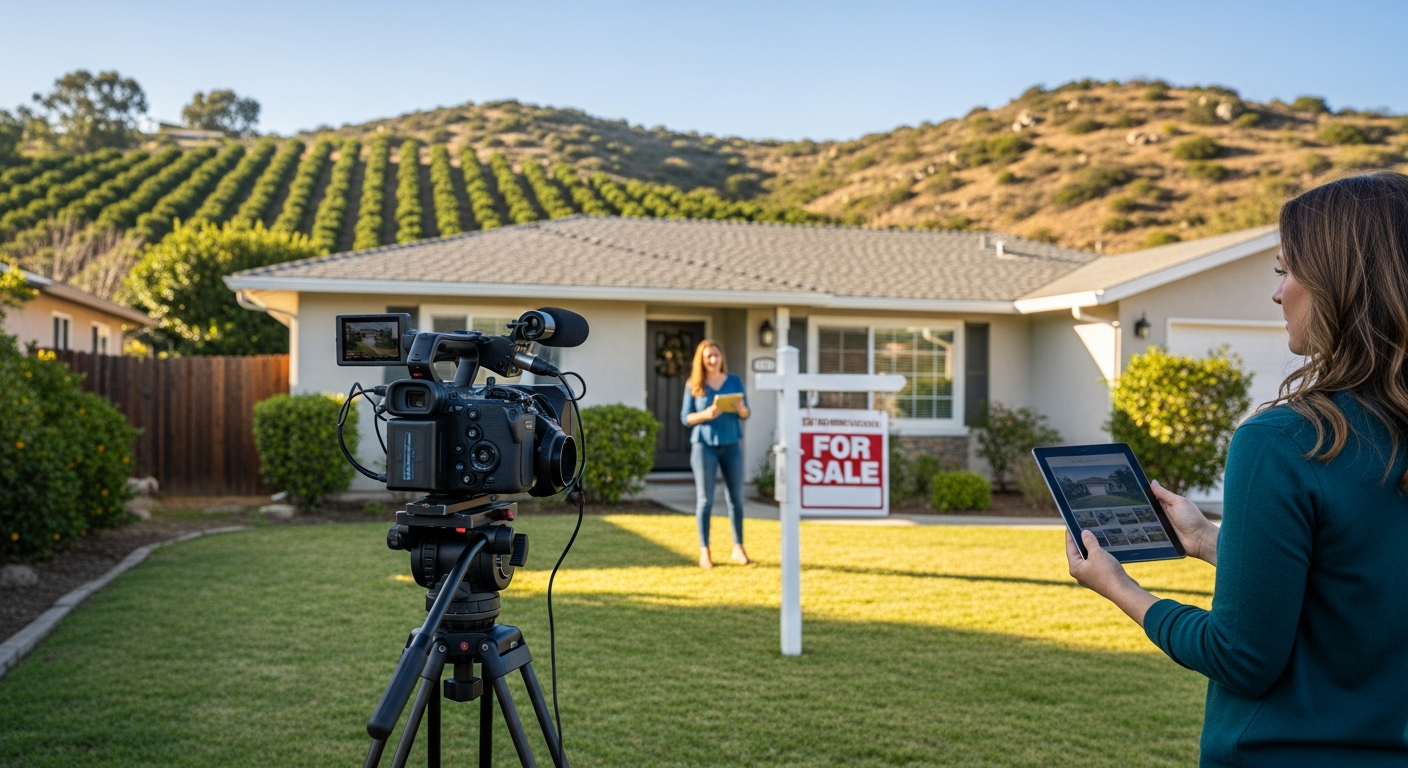
Video has also become a critical tool for modern property campaigns. Short-form property videos under 60 seconds should be cross-posted to TikTok, Instagram Reels, and YouTube Shorts to maximize organic reach. These quick clips can scale from basic point-of-view smartphone walkthroughs to high-end professional productions, depending on the target audience for the home.
For larger properties, long-form YouTube property tours ranging from 3 to 20 minutes offer a deeper look. These tours require the agent to appear on camera, which builds personal brand authority and allows them to highlight local lifestyle amenities rather than just physical specifications. According to real estate sales reports, an agent named Suman Kim reportedly generated over $200 million in sales volume and $5 million in commissions in his first three years by relying heavily on these video home tours.
If you are curious about how these visual techniques can highlight your home's unique features, you can request a detailed assessment through our What’s My Home Worth tool. This evaluation helps establish a realistic baseline before launching a full-scale media campaign.
Targeted Social Media Campaigns That Find Buyers
Once your visual assets are ready, the focus shifts to distribution. On launch day, listing videos should be uploaded natively to Facebook rather than shared via external YouTube links. Social platforms prioritize native video uploads, giving them significantly more organic reach within local feeds.
Paid advertising on Meta platforms requires a specific approach. Real estate advertisements must be categorized under the Housing special ad category, which restricts demographic targeting and mandates a minimum 15-mile targeting radius. To make these ads work, you must rely on curiosity rather than over-exposure.
A highly effective tactic involves omitting key decision-making photos, such as the kitchen, primary bedroom, and primary bathroom, from paid social media ads and Facebook Marketplace listings. Excluding these crucial spaces piques curiosity and forces interested buyers to submit inquiries to see the rest of the home. When paired with Facebook lead ads that use instant forms to automatically populate user contact information, this approach significantly increases lead conversion rates.
All paid listing advertisements should direct traffic to a proprietary IDX website rather than third-party portals like Zillow or Redfin. This keeps the lead within your ecosystem and prevents them from being distracted by competing listings. The first three lines of your ad copy are critical, they must capture attention immediately before the text is truncated by the platform's 'see more' button.
The Launch, the Open House, and the Sold Campaign
A successful launch relies on a tight schedule. Open houses are most effectively marketed and hosted between days three and seven of the active listing launch, capitalizing on the initial wave of market curiosity. This timing ensures that serious buyers have had time to view the media online and plan their visit.
Understanding how days on market affects buyer perception is critical during this phase. A home that sits too long without activity quickly loses its competitive edge. This is why a concentrated burst of marketing in the first week is so important, it prevents the listing from growing stale.
Sellers must also consider the carrying costs of a vacant property if they have already moved out. Every week a home sits unsold represents lost equity. A thorough launch campaign minimizes this transition time, protecting your bottom line.
Once the sale is finalized, the campaign does not end. Running 'just sold' digital advertisements for seven days helps attract new seller clients in the neighborhood, proving that the marketing system works. A baseline budget of twenty dollars per day for these campaigns is often enough to generate a steady stream of local inquiries.
Preparing Your Home for the Market
Selling a home for top value requires more than luck, it requires a systematic approach to presentation and digital distribution. By combining professional media with targeted social campaigns, you can ensure your home receives the attention it deserves from qualified buyers. To begin preparing your property for a successful sale, use our What’s My Home Worth tool to receive a comprehensive analysis of your home's current market position.