
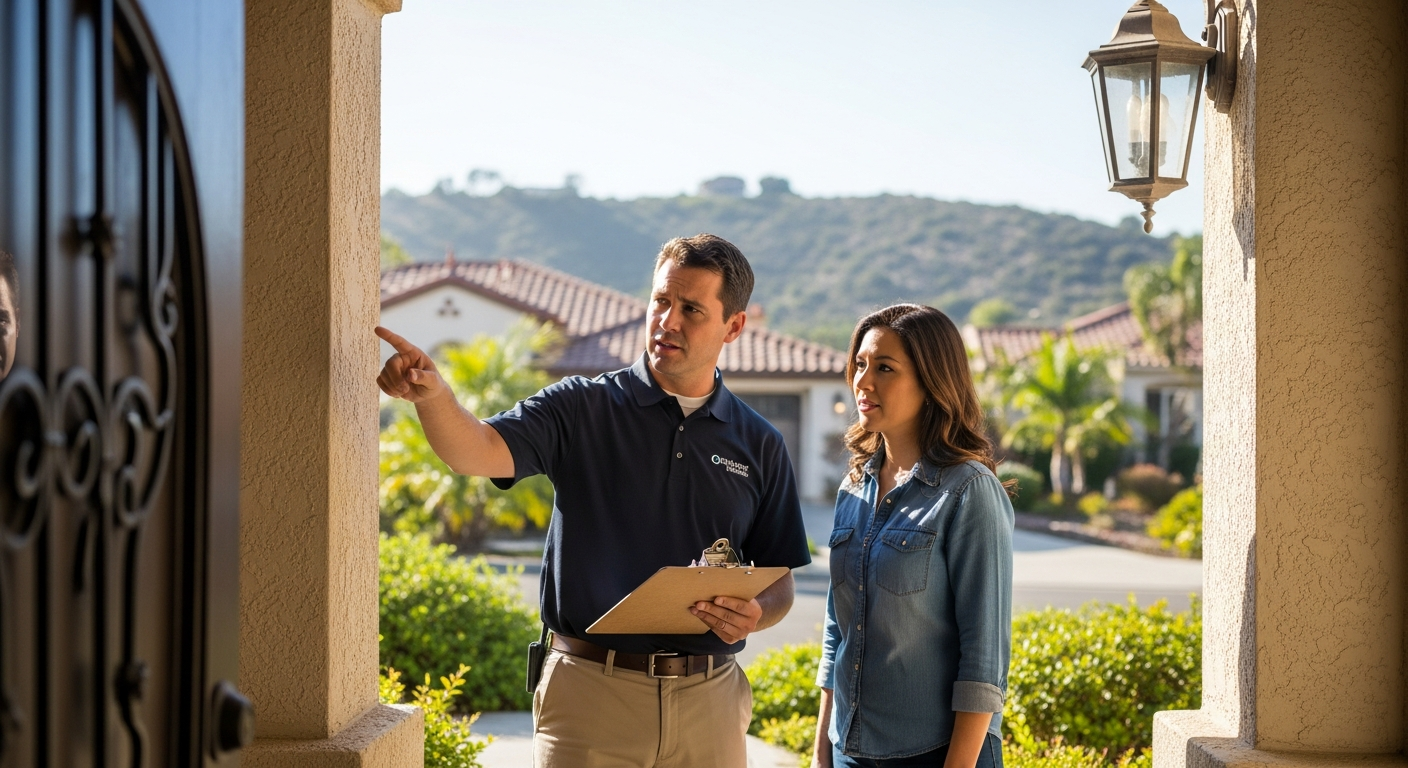
Most home sellers do not realize their transaction is at its highest risk of collapsing after the offer is accepted, not before. When a buyer discovers an unexpected foundation crack or an outdated electrical panel during their contingency period, negotiations restart from a position of weakness for the seller. Understanding the pre listing home inspection benefits is the most reliable way to maintain control over your transaction, protect your bottom line, and prevent late-stage price renegotiations.
The Escrow Trap of Buyer Inspections
When a buyer submits an offer, they are pricing the home based on what they can see. Once that offer is accepted, the property enters escrow, a neutral holding period where the buyer conducts their due diligence. If you want to understand the mechanics of this phase, you can read about the details of escrow in California and how it safeguards the transaction.
During this period, the buyer's home inspector will find issues. It is their job to find issues, even in well-maintained properties. This often leads to a second round of negotiations where the buyer demands thousands of dollars in repair credits or price reductions, knowing you are already committed to the sale.
For sellers who have already started planning their next move, this is a highly stressful position. You are faced with a difficult choice: concede to the buyer's financial demands, or refuse and risk the sale falling through entirely. If the sale collapses, your home goes back on the market with a stigma, as future buyers will wonder what major defects caused the previous deal to fail.
How Pre Listing Home Inspection Benefits Protect Your Net Proceeds
Taking the initiative to inspect your home before listing shifts the bargaining power back in your favor. When you identify issues ahead of time, you can choose to repair them on your own schedule using your own contractors, rather than paying premium prices for last-minute fixes demanded by a buyer.
Alternatively, you can disclose the known issues upfront and price the home accordingly. This transparency prevents the buyer from using those same issues as bargaining power later, because the home was already valued with those defects in mind. If you are preparing to list, you should first determine your home's current market position. You can request a professional assessment through our What’s My Home Worth tool to see how your property compares to recent local sales.
By removing the element of surprise, you preserve your net proceeds. Buyers are far less likely to walk away or demand drastic concessions when they know exactly what they are purchasing from day one. You establish a baseline of honesty that sets a professional tone for the entire transaction, which often translates to a smoother closing process.
Prevent Buyer Renegotiation with Upfront Repairs
Repairing a home under the pressure of a closing deadline is always more expensive. Contractors charge a premium for rush jobs, and buyers often demand certified professionals for minor issues that you could have resolved more affordably.
For instance, a minor plumbing leak discovered early might cost a few hundred dollars to fix. Discovered during escrow, a buyer might demand a full copper repipe or a massive credit to cover worst-case scenarios. Many common issues, such as those detailed in our guide on critical home inspection overlooks, are simple to address if you have the time.
To understand how these repair costs influence your listing price, consult our guide on how to price your home correctly in 2026. Balancing repair costs against your listing price is essential for a successful sale. When you have weeks instead of days to address an issue, you can gather multiple quotes, choose the most cost-effective solution, and ensure the work is done properly.
Scenario Pre-Listing Repairs (Sellers Choice) Post-Offer Demands (Buyers Choice) Contractor Selection You choose competitive bids from trusted local tradespeople. Buyer often demands licensed, specialized contractors of their choice. Pricing Control You pay actual repair costs with time to shop for materials. Buyer demands inflated dollar-for-dollar credits based on high estimates. Timeline Completed at your convenience before marketing begins. Must be completed within strict escrow contingency periods.
Building Buyer Confidence and Reducing Fall-Through Risk
A clean or fully disclosed pre-listing inspection report signals to buyers that you have nothing to hide. It builds immediate trust, which is a rare commodity in real estate transactions. Buyers feel more comfortable making strong, clean offers when they have a clear picture of the home's condition.
In competitive markets, this transparency can even encourage buyers to waive their own inspection contingencies. This significantly reduces the risk of the transaction falling through, saving you time and preventing your property from becoming stigmatized as a failed sale on the market.
When you hand a buyer a completed inspection report along with receipts for the repairs you have already made, you take away their primary tool for price renegotiation. You are showing them that the home has been thoroughly vetted and maintained, which justifies your asking price and keeps the escrow process moving forward without delay.
Avoiding Escrow Surprises in Major Home Systems
Most escrow surprises come from elements of the home that are not visible during a casual walkthrough. An experienced inspector looks closely at the major systems that are expensive to repair and critical to a home's structural integrity.
Roofing issues, electrical hazards, and plumbing leaks are the three most common deal-killers in residential real estate. If a roof has only a few years of functional life left, knowing this before listing allows you to adjust your pricing or offer a defined credit upfront.
Similarly, outdated electrical panels or active plumbing leaks can prevent a buyer from securing homeowners insurance, which in turn halts their mortgage approval. Addressing these major system issues before your home goes live on the market ensures that the buyer's financing will not stall at the eleventh hour.
Protecting Your Home Equity
Investing in a pre-listing inspection is a straightforward way to protect your home equity and ensure a smooth path to closing. By taking control of the narrative, you eliminate the surprises that allow buyers to chip away at your hard-earned proceeds. To begin planning your sale with complete financial clarity, get an accurate estimate of your property's value today by visiting What’s My Home Worth.