
Warning: Undefined array key "_column_size" in /home/u223796503/domains/sagecoastrealty.com/public_html/wp-content/plugins/elementor/includes/elements/column.php on line 1052
Sellers who list acreage in the inland hills without verifying their water and waste infrastructure first almost always end up leaving money on the table. In rural acreage transactions, securing a valley center septic certification and performing a certified well draw-down test are not optional administrative hurdles. They are the primary metrics that determine whether a parcel of land is worth its full asking price or is functionally unbuildable.
The Reality of Rural Land Utility Infrastructure
Unlike suburban developments where municipal utilities are guaranteed at the property line, rural parcels require complete self-sufficiency. A buyer looking at acreage wants to know two things before they even consider making an offer: where they will get their water, and how they will handle wastewater. Without clear, documented answers to these questions, a property is valued as raw, high-risk land, which carries a steep discount in the open market.
When buyers evaluate these properties, they often look at the physical beauty of the hillside first, but their lenders look at the utility viability. Understanding what buyers often miss about rural properties can help sellers position their land effectively. If you cannot prove the land can support a home, the pool of qualified buyers shrinks to speculative cash investors who will only buy at rock-bottom prices.
Why Well Flow Rates Establish the Foundation of Value
Water is the single most critical asset for any rural property. A well flow test, typically lasting four hours, measures the sustainable yield of the well in gallons per minute (GPM). This test determines if the well can supply enough water for daily household use, fire suppression, and irrigation for local groves or landscaping.
Most traditional mortgage lenders require a minimum sustained flow of three to five GPM to approve a loan. If a well produces less than this benchmark, the property may require the installation of expensive storage tanks, often ranging from 5,000 to 10,000 gallons, to offset the low yield. Sellers who proactively complete these tests can present buyers with documented proof of water viability, eliminating a major negotiation point during escrow.
For those unfamiliar with the mechanics of private water systems, evaluating well water systems on acreage is an essential part of the valuation process. Knowing the specific yield, pump depth, and water quality before entering negotiations keeps the seller in control of the transaction.
The Critical Role of Septic System Clearance
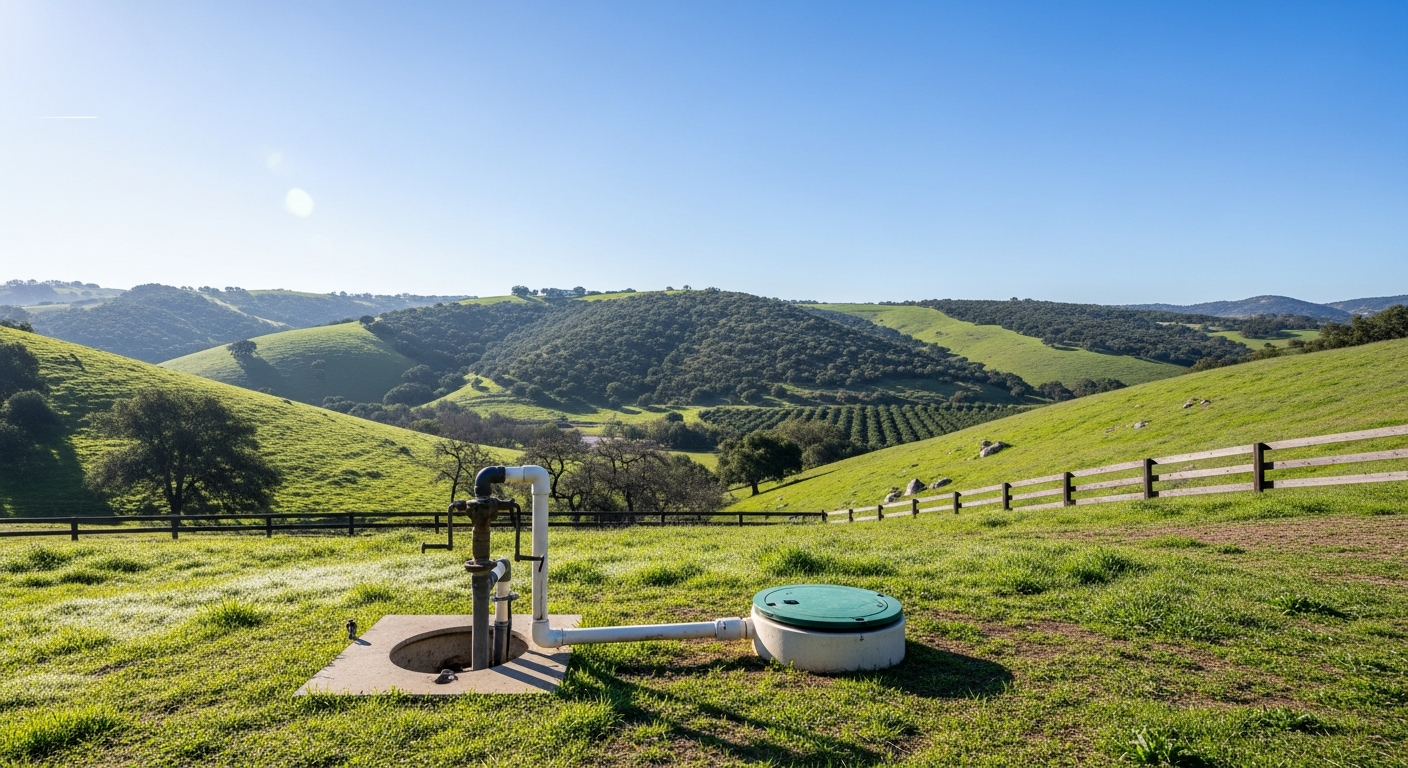
Wastewater management is the second pillar of rural property valuation. If a property has an existing home, the septic system must be uncovered, pumped, and certified by a licensed technician. This process verifies that the tank is structurally sound, the baffle walls are intact, and the disposal field is absorbing liquid waste at an acceptable rate.
For vacant land, the process requires a percolation test, commonly known as a perc test. This test measures how quickly the soil absorbs water, which dictates the type of septic system required. If the soil has poor absorption rates, a standard gravity-fed system will not work, forcing the buyer to install an expensive alternative treatment system that can easily cost tens of thousands of dollars more.
Before establishing an initial list price, you can request a detailed analysis of your property's market position by checking What’s My Home Worth, which factors in these critical infrastructure elements. Having these certifications completed ahead of time ensures that your property is priced accurately for its actual development potential.
Why Pre-Listing Certifications Protect Your Equity
Waiting for a buyer to discover well or septic issues during the escrow period is a high-risk approach. When an inspection reveals a failing septic tank or a low-yielding well mid-transaction, the buyer immediately gains significant leverage. They will either demand a substantial price reduction or back out of the contract entirely, leaving you with a stigmatized listing.
Completing pre-listing well and septic certifications allows you to address any operational issues on your own timeline. If a pump needs to be replaced or a septic tank lid needs repair, you can hire contractors and resolve the problem before it becomes a point of contention. Presenting a clean, fully certified property to the market justifies a premium listing price and attracts serious, qualified buyers who are ready to perform.
Operational Checklist for Rural Land Sellers
To ensure your land is positioned for a successful sale at maximum value, complete these operational checks before the camera arrives for listing photos:
Schedule a Well Yield Test: Hire a licensed well contractor to perform a certified four-hour draw-down test and obtain a written report.
Complete Water Quality Testing: Order a laboratory analysis of the well water to test for common local contaminants, including nitrates, bacteria, and total dissolved solids.
Perform Septic Pumping and Inspection: Locate the septic tank lids, have the tank pumped, and secure a written clearance report from a certified technician.
Verify Easements and Access: Ensure all utility and road easements are clearly documented and accessible for inspectors.
If you are preparing to list a rural property or parcel of land, understanding how these utility checks influence your bottom line is the first step toward a successful sale. Request a professional assessment of your land's current market position through our What’s My Home Worth valuation tool today.