
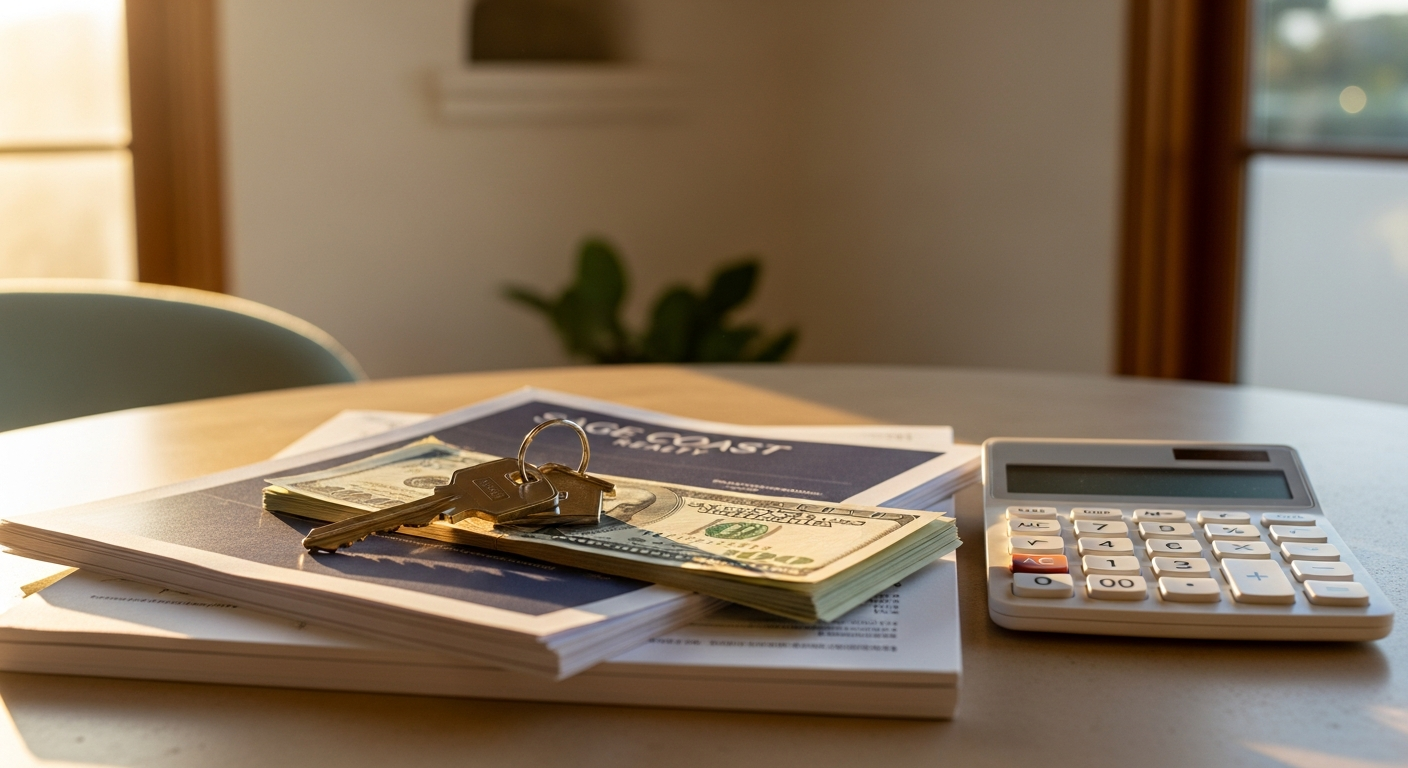
Many homebuyers focus intensely on the purchase price and loan interest rate, often overlooking the substantial impact of closing costs until late in the process. These are the fees and expenses paid at the end of a real estate transaction, beyond the down payment, and they can add thousands to the overall cost of buying or selling a property.
What Closing Costs Cover for Homebuyers
As a homebuyer, the closing costs you pay typically fall into several categories, covering the services and fees required to finalize your mortgage and transfer ownership of the property. These are not optional expenses; they are integral to the transaction.
Understanding each component helps you prepare financially and avoid surprises. You will receive a Loan Estimate shortly after applying for a mortgage, detailing these costs, followed by a Closing Disclosure a few days before your closing date.
Lender-Related Fees
When you obtain a mortgage, your lender charges various fees for processing and underwriting your loan. These can include origination fees, which compensate the lender for creating the loan, and points, which are optional fees paid to reduce your interest rate. Expect to see charges for credit reports, flood certification, and appraisal fees as well.
The appraisal is particularly important, as it determines the property's value for the lender. If the appraisal comes in lower than the purchase price, it can impact your financing.
Title and Escrow Services
Title and escrow services ensure a clear transfer of ownership and manage the funds during the transaction. Title insurance protects both you and the lender from future claims against the property's ownership. The title search itself verifies that the seller has the legal right to sell the property.
Escrow fees cover the services of an impartial third party who holds all documents and funds until all conditions of the sale are met. This process ensures that no money or property changes hands until every detail is correct and accounted for.
Prepaid Expenses and Property Taxes
Some costs are paid in advance at closing. These often include prepaid interest on your mortgage, homeowner's insurance premiums for the first year, and property taxes. Lenders typically require you to prepay a certain number of months of property taxes into an escrow account.
This ensures that these recurring expenses are covered and reduces the risk of default. The exact amount of prepaid taxes depends on the time of year you close and the tax schedule in your area.
Government Recording and Transfer Fees
Local and state governments charge fees to officially record the sale and transfer of property ownership. These recording fees ensure that the transaction is part of the public record. In some areas, you may also encounter transfer taxes, which are levied on the transfer of property title from the seller to the buyer.
The amount of these transfer taxes can vary significantly by jurisdiction, sometimes based on a percentage of the sale price. It is important to confirm what these fees will be in your specific location.
Closing Costs for Sellers
While buyers face a range of fees, sellers also have their own set of closing costs. The largest of these is typically the real estate commission, which is paid to both the buyer's and seller's agents. This commission is usually a percentage of the final sale price.
Sellers may also pay for their portion of title and escrow fees, attorney fees, and any agreed-upon repairs or credits to the buyer. Additionally, sellers are often responsible for paying any outstanding property taxes or homeowner association dues up to the closing date.
Managing and Reducing Closing Costs
Understanding these costs is the first step; the next is managing them. You can take several actions to potentially reduce or prepare for these expenses.
Review Your Loan Estimate: Carefully compare your Loan Estimate with other lenders' offers. While some fees are fixed, others can be negotiated or vary between providers.
Negotiate with the Seller: In some markets, particularly buyer's markets, you may be able to negotiate for the seller to cover some of your closing costs. This is not always possible, but it is a point of discussion.
Shop for Services: You are often allowed to shop for certain services, such as title insurance, surveys, and pest inspections. Comparing prices from different providers can lead to savings.
Plan Ahead: Set aside funds specifically for closing costs from the beginning of your home search. A general rule of thumb is to budget 2% to 5% of the loan amount, though this can vary.
The real estate transaction involves many moving parts, and closing costs are a significant piece of the financial puzzle. Being prepared and informed about each expense helps ensure a smoother, more transparent path to property ownership.
It covers everything from initial search to final closing, providing clarity at every step. For more information,or to work with our team checkout our free Buyer’s Guide