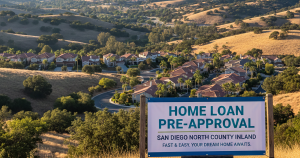

Mello-Roos. The term often surfaces during the home-buying process in North County Inland, sometimes causing confusion or concern. It represents a special tax assessment levied on properties within designated districts, primarily to fund infrastructure improvements and community amenities. Understanding Mello-Roos is crucial for assessing the true, long-term cost of ownership in areas like Rancho Bernardo, Valley Center, and parts of Escondido.
These assessments aren't inherently negative, but they require careful consideration. They represent an ongoing expense that impacts affordability and, potentially, resale value. Ignoring or underestimating the implications of Mello-Roos is a common mistake I see buyers make. They focus on the initial purchase price and monthly mortgage payment, overlooking the added tax burden that can significantly increase their overall housing costs.
What Exactly is Mello-Roos?
Mello-Roos, officially known as Community Facilities Districts (CFDs), are financing tools authorized by California state law. They allow local governments and developers to fund public works and services in newly developing areas. This often includes:
- Schools
- Roads
- Parks
- Libraries
- Sewer and water infrastructure
- Fire protection services
The funding is secured through a special property tax levied on homes and businesses within the CFD. The amount of the tax varies depending on the property's assessed value, the specific improvements funded, and the terms of the Mello-Roos district.
Unlike general property taxes, Mello-Roos assessments are earmarked for specific projects within the district. This means the money collected is dedicated to enhancing the quality of life and infrastructure in that particular community.
How Mello-Roos Impacts Homeowners
The most direct impact of Mello-Roos is the added cost to your annual property tax bill. This can translate to hundreds or even thousands of dollars per year, depending on the location and the CFD's obligations.
However, the implications extend beyond just the immediate financial burden.
Affordability and Budgeting
When calculating your maximum affordable home price, it's crucial to factor in the Mello-Roos assessment. Many online mortgage calculators don't automatically include these special taxes, leading to inaccurate affordability estimates. Failing to account for Mello-Roos can stretch your budget thin and limit your financial flexibility.
Smart budgeting requires a clear understanding of all recurring housing expenses, including Mello-Roos. This allows you to make informed decisions about your spending and avoid potential financial strain.
Resale Value
Mello-Roos can influence the resale value of your home. Some buyers are hesitant to purchase properties with significant Mello-Roos assessments, perceiving them as a financial disadvantage. This can potentially limit the pool of prospective buyers and affect the price you can command when you eventually sell.
However, the presence of well-maintained community amenities funded by Mello-Roos can also be a selling point. High-quality schools, parks, and infrastructure can attract families and enhance the overall desirability of the neighborhood. The key is to understand how the benefits of the Mello-Roos district are perceived by potential buyers in the current market.
Tax Deductibility
Whether or not Mello-Roos assessments are tax deductible is a common question. The answer depends on the specific purpose of the tax. Generally, Mello-Roos taxes are deductible if they are used to fund essential services like police, fire, and schools. However, assessments for capital improvements, such as roads or parks, may not be deductible.
It's always best to consult with a tax professional to determine the deductibility of your specific Mello-Roos assessment. They can provide personalized advice based on your individual circumstances and the details of the CFD in your area.
Navigating Mello-Roos in North County Inland
North County Inland encompasses a diverse range of communities, each with its own unique Mello-Roos landscape. Areas like Rancho Bernardo and newer developments in Escondido and San Marcos often have Mello-Roos assessments in place.
Understanding the specifics of these districts is essential for making informed real estate decisions.
Researching Specific Districts
The first step is to identify whether a property is located within a Mello-Roos district. This information is typically disclosed during the escrow process. However, it's prudent to proactively research potential properties of interest.
You can obtain information about specific Mello-Roos districts from:
- The county tax assessor's office
- The city or county government
- The developer of the community
- The Mello-Roos district itself
Key details to look for include the amount of the assessment, the expiration date (if any), and the specific projects funded by the tax.
Understanding the Long-Term Implications
Mello-Roos assessments can last for many years, sometimes even decades. It's crucial to understand the long-term financial implications before purchasing a property in a Mello-Roos district.
Consider the following:
- How will the assessment affect your monthly budget over the long term?
- Will the assessment increase over time? Some Mello-Roos districts have built-in escalation clauses.
- What is the likelihood that the assessment will be extended beyond its initial term?
- How will the Mello-Roos assessment affect the resale value of your home in the future?
I've seen buyers assume that Mello-Roos will simply disappear after a certain number of years, only to discover that the district was refinanced and the assessment extended. This can lead to unexpected financial burdens and frustration.
Weighing the Benefits and Costs
Mello-Roos assessments are not inherently bad. They can provide funding for essential infrastructure and community amenities that enhance the quality of life in a neighborhood. The key is to weigh the benefits against the costs.
Consider whether the amenities funded by Mello-Roos are important to you and your family. Do you value high-quality schools, well-maintained parks, and safe streets? If so, the added cost of Mello-Roos may be worth it.
However, if you are on a tight budget or don't particularly value the amenities funded by Mello-Roos, you may want to consider properties in areas without these special assessments.
Counterintuitive Insights and Long-Hold Considerations
One counterintuitive aspect of Mello-Roos is that older homes in established neighborhoods often appreciate at a faster rate than newer homes in Mello-Roos districts. This is because the absence of Mello-Roos can be a significant selling point, attracting buyers who are willing to pay a premium for lower property taxes.
Over a five-year hold, this difference in appreciation can sometimes offset the initial benefits of living in a newer community with modern amenities. The long-term investment story often favors properties with lower ongoing costs, even if they require some initial upgrades or renovations.
Another factor to consider is the potential for Mello-Roos assessments to be refinanced or restructured. This can result in changes to the amount of the assessment, the term of the assessment, or the projects funded by the tax. Staying informed about these potential changes is crucial for protecting your investment.
I've seen situations where a Mello-Roos district was initially used to fund a new school, but later refinanced to fund other projects, such as road improvements or park expansions. This can shift the benefits of the Mello-Roos assessment and affect the desirability of the neighborhood.
Case Studies and Examples
To illustrate the impact of Mello-Roos, let's consider a few hypothetical examples:
Case Study 1: Rancho Bernardo Family Home
A young family is considering purchasing a home in a newer development in Rancho Bernardo. The home is priced at $850,000 and has a Mello-Roos assessment of $3,500 per year. The family values the high-quality schools and parks in the area and believes the Mello-Roos assessment is worth the cost.
Over a 10-year period, the family will pay $35,000 in Mello-Roos taxes. However, they anticipate that the value of their home will appreciate significantly due to the desirability of the neighborhood and the quality of the schools.
Case Study 2: Valley Center Ranch Property
A couple is looking to purchase a ranch property in Valley Center. The property is priced at $950,000 and does not have any Mello-Roos assessments. The couple is attracted to the privacy and space offered by the property and is not particularly concerned about community amenities.
Over a 10-year period, the couple will save $35,000 in Mello-Roos taxes compared to the family in Rancho Bernardo. However, their property may not appreciate as much as the home in Rancho Bernardo due to the lack of community amenities and the more rural location.
Case Study 3: Escondido Condo with Expiring Mello-Roos
An individual is considering purchasing a condo in Escondido. The condo is priced at $450,000 and has a Mello-Roos assessment of $1,500 per year. However, the Mello-Roos assessment is scheduled to expire in five years.
The individual calculates that they will pay $7,500 in Mello-Roos taxes over the next five years. After the Mello-Roos assessment expires, their property taxes will decrease, making the condo more affordable.
These examples illustrate the importance of considering the specific circumstances of each property and the individual needs and preferences of the buyer.
Key Takeaways for North County Buyers
Navigating Mello-Roos requires a strategic approach and a long-term perspective. Here are some key takeaways for buyers in North County Inland:
- Do your research: Identify whether a property is located within a Mello-Roos district and understand the specifics of the assessment.
- Factor in the long-term costs: Consider how the Mello-Roos assessment will affect your monthly budget over the long term and how it may impact the resale value of your home.
- Weigh the benefits and costs: Determine whether the amenities funded by Mello-Roos are important to you and your family.
- Seek professional advice: Consult with a real estate agent, a tax professional, and a financial advisor to get personalized guidance.
By taking a proactive and informed approach, you can make smart real estate decisions and ensure that you are well-prepared for the long-term costs of homeownership in North County Inland.
The pattern most buyers miss? They focus on the short term. Interest rates, paint colors, staging. The savviest buyers understand the long game, factoring in Mello-Roos, water costs, and fire insurance trends.
Those are the factors that shape long-term affordability and predictable ownership.