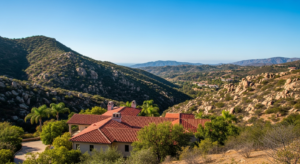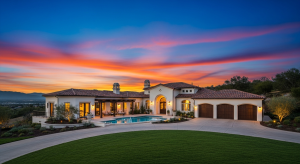
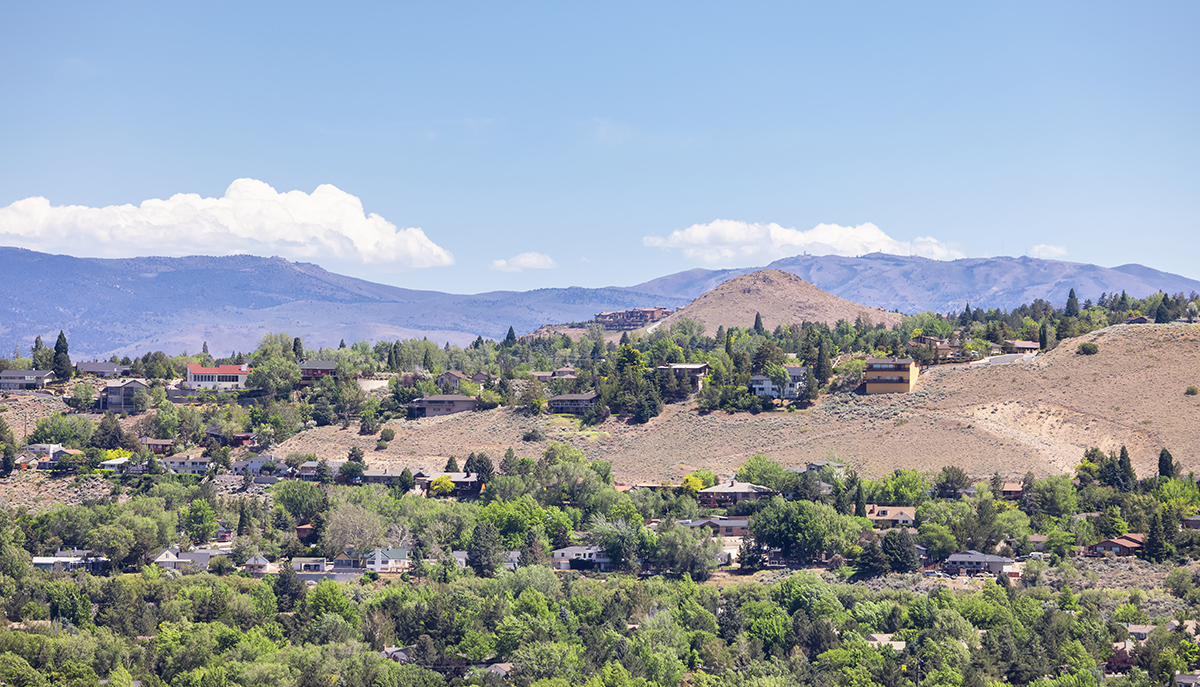
Rural properties in North County Inland offer space, privacy, and a connection to the land. But they also present complexities that city buyers often overlook. The transition from a planned community to acreage requires a different lens.
I have seen buyers charmed by views, only to later grapple with well yields or access limitations. The details that seem minor during the initial showing can become defining characteristics of ownership.
Water: Source, Storage, and Stewardship
Water is the lifeblood of any rural property, and its availability dictates everything from landscaping to livestock capacity. Many rural North County properties rely on wells, which introduce a layer of due diligence often unfamiliar to those accustomed to municipal water.
Well yield is not a static number. It fluctuates with rainfall, aquifer levels, and the demands of surrounding properties. A seemingly adequate yield during a wet year can dwindle significantly during a drought.
Buyers often focus on the presence of a well but neglect to investigate its history. A well that has consistently produced for decades is a far more reliable asset than one recently drilled with limited data.
Consider these factors:
- Well depth and casing: Deeper wells generally tap into more reliable aquifers. Casing material and condition affect water quality.
- Recovery rate: How quickly does the well replenish after being drawn down? This is critical for understanding sustained use.
- Water quality testing: Regular testing is essential to identify contaminants and ensure potability.
- Neighboring wells: Understand the proximity and draw of neighboring wells. Overlapping cones of depression can impact your yield.
Water storage becomes equally important when well yields are limited or unpredictable. Tanks provide a buffer, allowing you to manage water usage more effectively. However, tanks also require maintenance and can be vulnerable to damage.
The size and material of the tank matter. Poly tanks are common and relatively inexpensive, but they can degrade over time, especially in direct sunlight. Concrete tanks are more durable but also more costly.
Strategic water management is not just about supply. It is about conservation. Drought-tolerant landscaping, efficient irrigation systems, and responsible water usage habits are essential for long-term sustainability.
I have seen buyers install expansive lawns, only to face exorbitant water bills or the prospect of their well running dry. A more thoughtful approach considers the native environment and works with, rather than against, the natural landscape.
Over a ten-year hold, the cost of water—whether purchased or pumped—can significantly impact the overall investment. Properties with sustainable water solutions tend to retain value better during periods of drought or water scarcity.
Access and Infrastructure: Beyond the Paved Road
The allure of a secluded property often comes with trade-offs in access and infrastructure. A long, winding driveway may enhance privacy, but it also presents challenges for maintenance, emergency services, and even everyday deliveries.
Road maintenance is a recurring expense that many buyers fail to fully account for. Gravel roads require periodic grading and resurfacing. Paved roads can crack and crumble over time, especially with heavy use or extreme weather.
Consider the following:
- Driveway grade and surface: Steep driveways can be difficult to navigate in wet or icy conditions. Unpaved surfaces require more frequent maintenance.
- Easements and shared access: Understand the legal rights and responsibilities associated with shared driveways or access roads.
- Emergency vehicle access: Ensure that fire trucks and ambulances can easily reach the property.
- Utility access: How are utilities (power, phone, internet) brought to the property? Are there any limitations or easements that affect their maintenance or expansion?
Septic systems are another critical infrastructure component of many rural properties. Unlike municipal sewer systems, septic systems require regular maintenance and eventual replacement.
The type of septic system, soil conditions, and usage patterns all affect its lifespan and performance. A poorly maintained system can lead to costly repairs, environmental hazards, and even legal liabilities.
Buyers should obtain a thorough septic inspection before purchasing a property. This inspection should include:
- Tank inspection: Check for cracks, leaks, and proper functioning of baffles.
- Leach field inspection: Assess the condition and drainage capacity of the leach field.
- Permit review: Verify that the system is properly permitted and meets current regulations.
Beyond roads and septic systems, consider the availability of high-speed internet. In today's world, reliable internet access is essential for work, communication, and entertainment. Rural areas often have limited or unreliable internet options.
Satellite internet is a common solution, but it can be expensive and subject to latency issues. Fixed wireless internet is another option, but its availability depends on line-of-sight to a tower.
I have seen buyers underestimate the impact of limited internet access on their daily lives. Something as simple as video conferencing or streaming movies can become a frustrating experience.
Over time, infrastructure limitations can affect property values. Buyers are increasingly willing to pay a premium for properties with reliable access and modern amenities.
Fire Risk and Insurance: Living in a High-Hazard Zone
Many parts of North County Inland are designated as high fire hazard zones. This designation reflects the region's dry climate, dense vegetation, and steep terrain. Fire risk is not just a seasonal concern; it is a constant reality.
Buyers often focus on the beauty of the natural landscape but fail to appreciate the inherent fire risk. Overgrown vegetation, flammable building materials, and inadequate defensible space can all increase the vulnerability of a property.
Defensible space is the buffer zone around a structure that is cleared of vegetation and other flammable materials. Creating and maintaining defensible space is essential for protecting a property from wildfire.
Recommendations typically include:
- Clearing vegetation within 100 feet of structures: Remove dry brush, dead leaves, and overhanging branches.
- Maintaining short, irrigated landscaping near structures: Keep grass mowed and shrubs trimmed.
- Removing flammable materials from under decks and patios: Store firewood and propane tanks away from structures.
- Cleaning gutters and roofs: Remove accumulated leaves and debris.
Building materials also play a critical role in fire resistance. Homes with fire-resistant roofs, siding, and windows are more likely to survive a wildfire.
Consider these features:
- Class A roof: Tile, metal, and composition shingles with a Class A fire rating offer the best protection.
- Stucco or fiber-cement siding: These materials are less flammable than wood siding.
- Dual-pane windows with tempered glass: These windows are more resistant to cracking and shattering from heat.
- Fire-resistant doors: Solid-core doors with tight-fitting frames can help prevent fire from entering a structure.
Insurance costs in high fire hazard zones can be significantly higher than in urban areas. Some insurance companies may even refuse to cover properties in the highest-risk areas.
Buyers should obtain insurance quotes before purchasing a property to understand the potential costs. It is also important to review the policy carefully to understand the coverage limits and exclusions.
I have seen buyers surprised by the high cost of insurance or the difficulty of obtaining coverage. This can significantly impact their overall budget and the long-term affordability of the property.
Over time, proactive fire mitigation measures can help reduce insurance costs and increase the safety of the property. These measures may include:
- Installing a fire sprinkler system: Sprinkler systems can quickly suppress a fire and prevent it from spreading.
- Creating a water storage system for fire suppression: Having a dedicated water source can be critical in areas with limited water availability.
- Participating in community fire safety programs: Working with neighbors to reduce fire risk can benefit the entire community.
Privacy and Quiet: Understanding the Trade-offs
Privacy and quiet are often cited as primary reasons for seeking out rural properties. The desire to escape the noise and congestion of urban life is understandable. However, rural living also comes with its own set of auditory and visual realities.
While you may not hear traffic noise, you may hear agricultural operations, wildlife, or even distant construction. Sounds that are barely noticeable in the city can become amplified in the quiet of the countryside.
Consider these potential noise sources:
- Agricultural operations: Tractors, irrigation pumps, and other farm equipment can generate significant noise.
- Livestock: Animals can be noisy, especially at dawn and dusk.
- Wildlife: Coyotes, owls, and other nocturnal animals can create a chorus of sounds.
- Construction: Even distant construction projects can be audible in quiet areas.
- Shooting ranges: Gunfire can be a disruptive noise source in some rural areas.
Light pollution is another factor to consider. While rural areas generally have darker skies than cities, artificial light can still be a nuisance.
Streetlights, security lights, and even neighboring homes can cast unwanted light onto a property. This can affect sleep quality, stargazing opportunities, and the overall ambiance of the rural environment.
Buyers often romanticize the idea of complete darkness, but they may not realize the implications for safety and security. Exterior lighting can deter crime and make it easier to navigate the property at night.
The key is to find a balance between privacy, quiet, and practicality. Consider these strategies:
- Visiting the property at different times of day and night: This will help you assess the noise and light levels at various times.
- Talking to neighbors: They can provide valuable insights into the local environment.
- Installing soundproofing measures: Thick walls, double-paned windows, and strategic landscaping can help reduce noise intrusion.
- Using shielded outdoor lighting: This will minimize light pollution and direct light where it is needed.
I have seen buyers move to rural areas seeking peace and quiet, only to be disappointed by unexpected noise or light disturbances. A realistic assessment of the environment is essential for ensuring long-term satisfaction.
Over time, the perceived level of privacy and quiet can affect property values. Properties that offer a true sense of seclusion and tranquility tend to command a premium.
The Long View: Commitment and Stewardship
Buying a rural property in North County is not just a transaction; it is a commitment. It is a commitment to the land, to the community, and to a different way of life. It requires a willingness to embrace challenges, to learn new skills, and to be a responsible steward of the environment.
Many buyers underestimate the amount of time and effort required to maintain a rural property. Landscaping, repairs, and other tasks can quickly consume weekends and evenings.
Consider these ongoing responsibilities:
- Landscaping and vegetation management: Mowing, trimming, and removing invasive species.
- Well and septic system maintenance: Regular inspections and repairs.
- Road and driveway maintenance: Grading, resurfacing, and snow removal.
- Fire prevention: Creating and maintaining defensible space.
- Pest control: Managing rodents, insects, and other pests.
Community involvement is also an important aspect of rural living. Rural communities often rely on volunteerism and neighborly cooperation.
Consider these opportunities for community engagement:
- Joining a local fire safe council: Helping to educate the community about fire prevention.
- Volunteering at a local school or community center: Supporting local programs and services.
- Participating in community events: Getting to know your neighbors and building relationships.
- Supporting local businesses: Contributing to the economic vitality of the community.
Stewardship is perhaps the most important aspect of rural property ownership. It is about protecting the natural resources and preserving the beauty of the land for future generations.
Consider these stewardship practices:
- Conserving water: Using water-efficient appliances and landscaping.
- Protecting soil: Preventing erosion and maintaining soil health.
- Preserving wildlife habitat: Protecting native plants and animals.
- Reducing pollution: Minimizing the use of chemicals and pesticides.
- Practicing sustainable forestry: Managing forests for long-term health and productivity.
I have seen buyers transform neglected properties into thriving havens for wildlife and sustainable agriculture. The satisfaction of contributing to the health and well-being of the land is immeasurable.
Over time, a commitment to stewardship can enhance property values and create a lasting legacy. Properties that are well-maintained, sustainably managed, and integrated into the community tend to appreciate in value and attract discerning buyers.
Rural property ownership in North County is a unique and rewarding experience. By understanding the potential challenges and embracing the responsibilities of stewardship, buyers can create a fulfilling and sustainable lifestyle.