
North County: Beyond the Beach
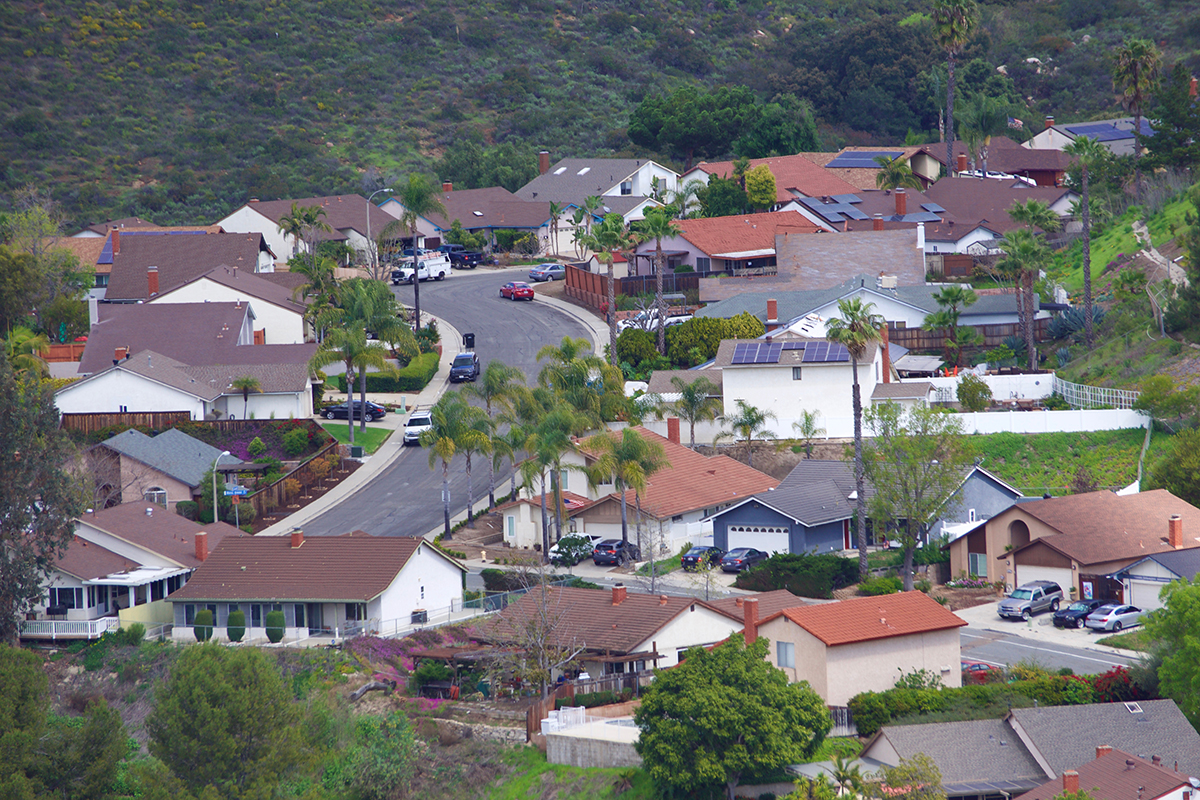
North County San Diego presents a tale of two lifestyles: coastal and inland. The initial appeal of ocean breezes and walkable village centers often draws new residents to the coast. Others seek the space and perceived value of inland communities. But the differences extend far beyond initial impressions. After the first year, distinct patterns emerge that shape daily life and long-term satisfaction.
Climate Realities: Beyond the Brochure
The coastal climate, often touted for its mild temperatures, is not without its nuances. Marine layer, humidity, and wind patterns affect everything from outdoor activities to home maintenance.
Inland, the story shifts. Warmer days, cooler nights, and distinct seasonal changes define the rhythm. These variations impact energy consumption, landscaping choices, and even sleep patterns.
The Coastal Premium: Fog, Salt, and Maintenance
Coastal living often comes with a premium price tag, but that's not the only cost to consider. Constant exposure to salt air accelerates corrosion on exterior surfaces. Windows, doors, and outdoor furniture require more frequent upkeep.
The marine layer, while providing relief from intense sun, can also limit solar panel efficiency. Homes shrouded in fog for extended periods generate less energy than those in sunnier inland locations.
I've seen buyers underestimate the impact of salt spray on landscaping. Plants that thrive inland often struggle near the coast, leading to unexpected replacement costs. The invisible cost is real.
Inland Intensity: Heat, Water, and Fire
Inland communities face different environmental realities. Summer heat can be intense, driving up air conditioning costs. Water conservation becomes crucial, especially in areas reliant on wells or subject to tiered pricing.
Fire risk is a significant consideration. Homes in canyon areas or near dense chaparral require careful defensible space maintenance and may face higher insurance premiums.
Many buyers focus on the square footage they can get for their dollar inland, but fail to account for the ongoing costs of managing a larger property in a more challenging environment.
Lifestyle Shifts: Pace and Privacy
Coastal and inland areas offer distinct lifestyles. The coast emphasizes walkability, community events, and proximity to the ocean. Inland, the focus shifts to space, privacy, and a more relaxed pace.
These differences affect daily routines, social connections, and overall sense of well-being. Choosing between the two is not just about location; it's about aligning with a particular lifestyle.
Coastal Connection: Crowds and Compromises
Coastal communities often foster a strong sense of connection. Walkable streets, local shops, and frequent community events create opportunities for social interaction. However, this vibrancy comes with trade-offs.
Increased density means less privacy, smaller yards, and limited parking. The influx of tourists during peak seasons can create congestion and strain local resources.
I've noticed many buyers initially drawn to the coastal lifestyle become overwhelmed by the crowds and lack of personal space after a year or two. The constant activity can be both stimulating and draining.
Inland Retreat: Space and Isolation
Inland communities offer a sense of retreat. Larger properties, quieter streets, and expansive views create a feeling of seclusion. This appeals to those seeking privacy and a slower pace of life.
However, this isolation can also lead to feelings of disconnect. Reliance on cars for transportation, fewer local amenities, and limited social opportunities can make it harder to build community.
The counterintuitive insight is that inland living requires more intentional effort to cultivate social connections. The space that provides privacy can also create distance.
Real Estate Dynamics: Value and Appreciation
Coastal and inland properties follow different real estate trends. Coastal properties tend to appreciate more rapidly, driven by high demand and limited inventory. Inland properties offer more affordability but may experience slower growth.
However, these are generalizations. Specific neighborhoods, property types, and market conditions can influence individual outcomes. A nuanced understanding of local dynamics is crucial for making informed investment decisions.
Coastal Stability: Scarcity and Demand
Coastal real estate benefits from scarcity. Limited land, strict zoning regulations, and high demand create a stable market with consistent appreciation. Even during downturns, coastal properties tend to hold their value better than inland counterparts.
However, this stability comes at a cost. High entry prices and competitive bidding make it challenging for first-time buyers to enter the coastal market.
The long-hold implication is that coastal properties offer a hedge against inflation and a reliable store of wealth. But the initial investment requires significant capital.
Inland Opportunity: Growth and Potential
Inland real estate offers opportunities for growth. Developing areas, new construction, and larger lots provide potential for appreciation. As infrastructure improves and populations expand, inland communities become more attractive to buyers.
However, this growth is not guaranteed. Market fluctuations, economic conditions, and local development policies can influence property values. Due diligence and careful analysis are essential.
I've seen buyers chase the promise of inland growth, only to be disappointed by slow appreciation or unexpected development challenges. The key is to identify areas with strong fundamentals and long-term potential.
The Invisible Factors: Insurance, Water, and HOA
Beyond climate, lifestyle, and real estate trends, several invisible factors influence the long-term cost and enjoyment of a property. Insurance rates, water availability, and homeowner association fees can significantly impact monthly expenses and overall quality of life.
These factors are often overlooked during the initial buying process, but they become increasingly important after the first year of ownership.
Coastal Insurance: Risk and Regulation
Coastal properties face higher insurance rates due to increased risk of natural disasters, such as floods, storms, and erosion. Stringent building codes and regulations add to the cost of construction and renovation.
Understanding flood zones, wind mitigation requirements, and coastal construction standards is crucial for managing insurance costs and protecting your investment.
Many buyers are surprised by the complexity of coastal insurance. Policies can be difficult to obtain, and premiums can fluctuate significantly based on location, property type, and coverage levels.
Inland Resources: Wells, Septic, and Fire
Inland properties often rely on wells and septic systems, which require ongoing maintenance and monitoring. Water quality, well production, and septic system capacity are critical considerations.
Fire risk is a major concern in inland areas. Defensible space requirements, brush clearance regulations, and fire insurance premiums add to the cost of ownership.
I've encountered buyers who underestimated the responsibility of managing a well and septic system. Regular testing, maintenance, and potential repairs can add unexpected expenses and time commitments.
HOA Dynamics: Rules, Restrictions, and Fees
Homeowner associations (HOAs) are common in both coastal and inland communities. HOAs provide services such as landscaping, maintenance, and security, but they also impose rules, restrictions, and fees.
Understanding the HOA's governing documents, financial stability, and enforcement policies is essential before purchasing a property. Conflicts with HOAs can lead to frustration and legal expenses.
The pattern most people miss is the long-term impact of HOA fees on affordability. Monthly fees can significantly increase housing costs, especially in communities with extensive amenities or aging infrastructure.
Making the Right Choice: Long-Term Alignment
Choosing between coastal and inland living is a personal decision that depends on individual priorities, lifestyle preferences, and financial goals. There is no right or wrong answer, but it's essential to consider the long-term implications of each choice.
The homes that feel right five years later are usually the ones where the environmental realities align with the owner's expectations and lifestyle. Understanding the trade-offs is the first step toward making an informed decision.
Questions to Ask: Beyond the Surface
- What are the long-term maintenance costs associated with this property, considering the climate and location?
- How will my lifestyle be affected by the proximity to amenities, transportation, and community events?
- What are the potential risks and rewards of investing in this particular real estate market?
- What are the hidden costs, such as insurance, water, and HOA fees, that I need to factor into my budget?
- How will this property support my long-term goals and aspirations?
North County: A Mosaic of Choices
North County Inland and Coastal offer a wealth of opportunities for those seeking a fulfilling lifestyle. By understanding the nuances of each region and considering the long-term trade-offs, buyers can make informed decisions that lead to lasting satisfaction.
The key is to look beyond the surface and ask the right questions. Not just about the finishes and features of a property, but about the environmental realities, lifestyle implications, and financial considerations that will shape daily life for years to come.